
Prevention
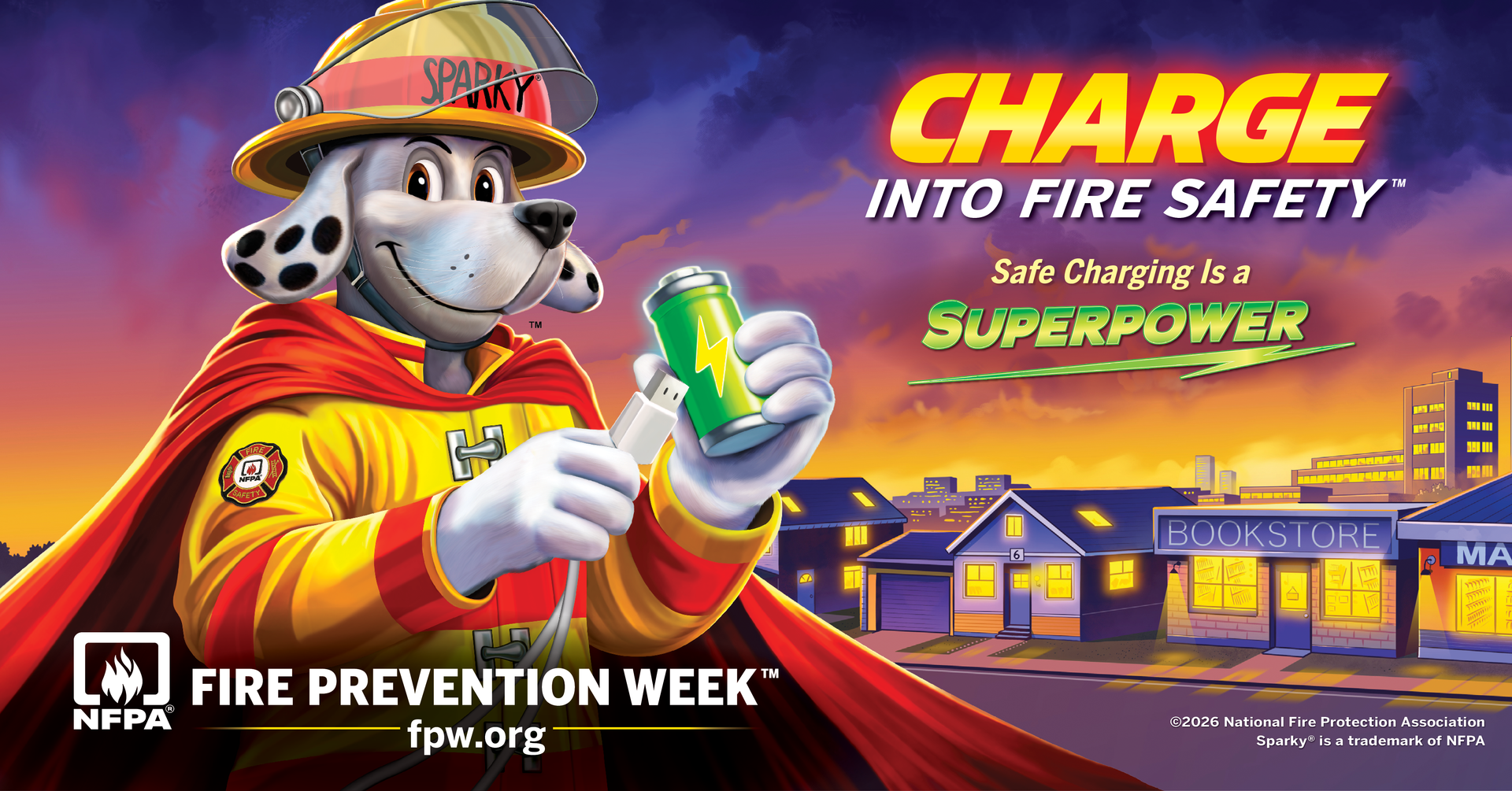
Fire Prevention Week is October 4–10, 2026
This year’s national theme from the National Fire Protection Association is:
Charge into Fire Safety: Safe Charging Is a Superpower.
It focuses on the lithium-ion batteries in your phone, laptop, e-bike, and power tools. Start with the battery section below, then take ten minutes this week to test your smoke and carbon monoxide alarms.
Most of the fires we respond to start in ordinary places: a pan left on the stove, a space heater too close to the bed, a charger tucked under a pillow. Most of them can be prevented. The ones that can’t are far more survivable when working alarms give your family an early warning.
In an emergency, call 9-1-1. Always call 9-1-1 rather than the station. It’s the fastest way to get us, and any other help you need, on the way.
Lithium-Ion Batteries
Lithium-ion batteries power almost everything with a charger: phones, laptops, e-bikes and scooters, cordless tools, toys, and vapes. Used correctly, they’re safe. Damaged, poorly made, or improperly charged batteries can overheat and fail quickly, and the fires they cause spread fast and are hard to put out.
Buy safely
- Look for a safety certification mark from a recognized testing lab, such as UL, ETL, or CSA.
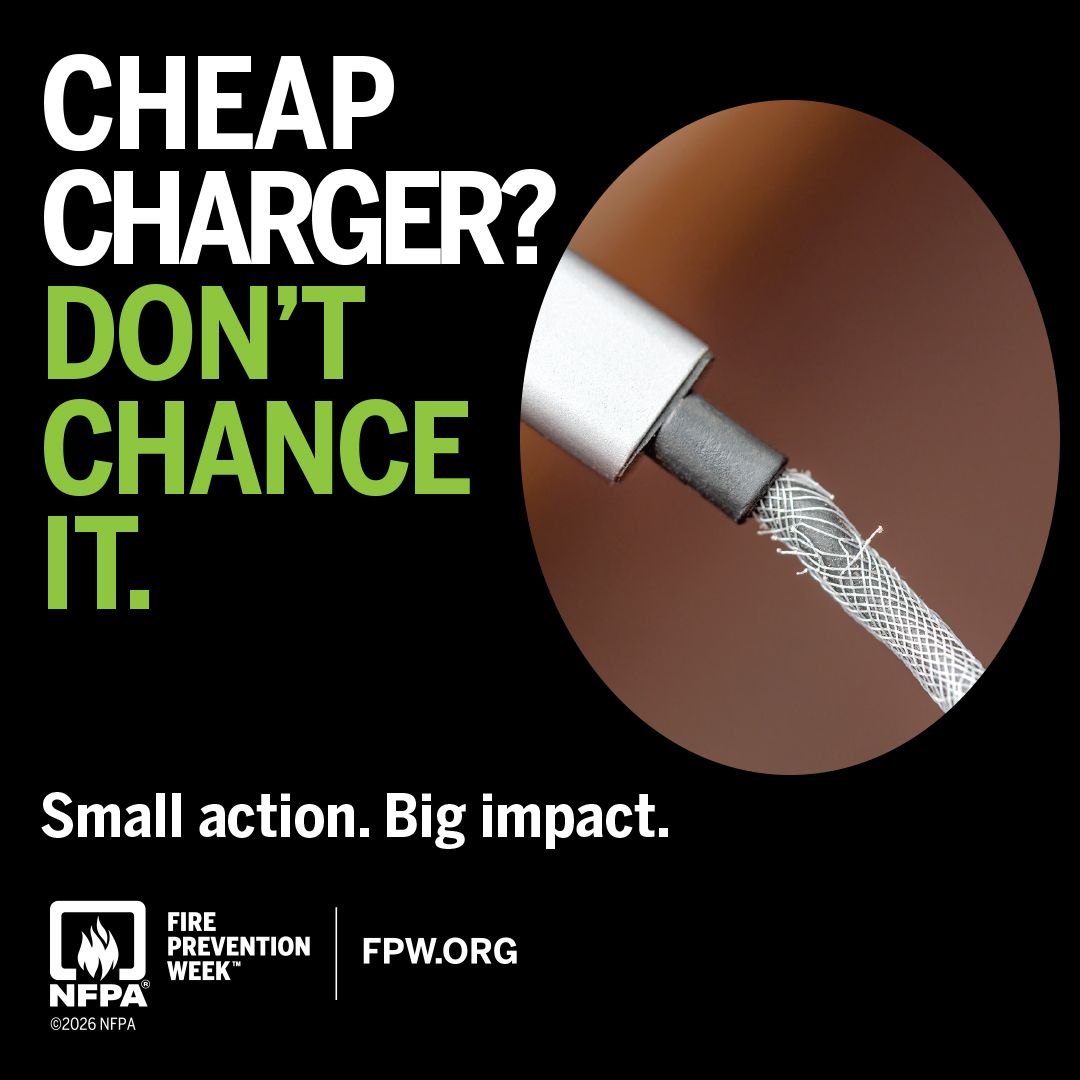
- Be wary of bargain chargers and replacement batteries from unfamiliar online sellers. The wrong charger can damage a battery and raise the risk of fire.
Charge safely
- Use the charger and cord that came with the device, or a replacement from the manufacturer.
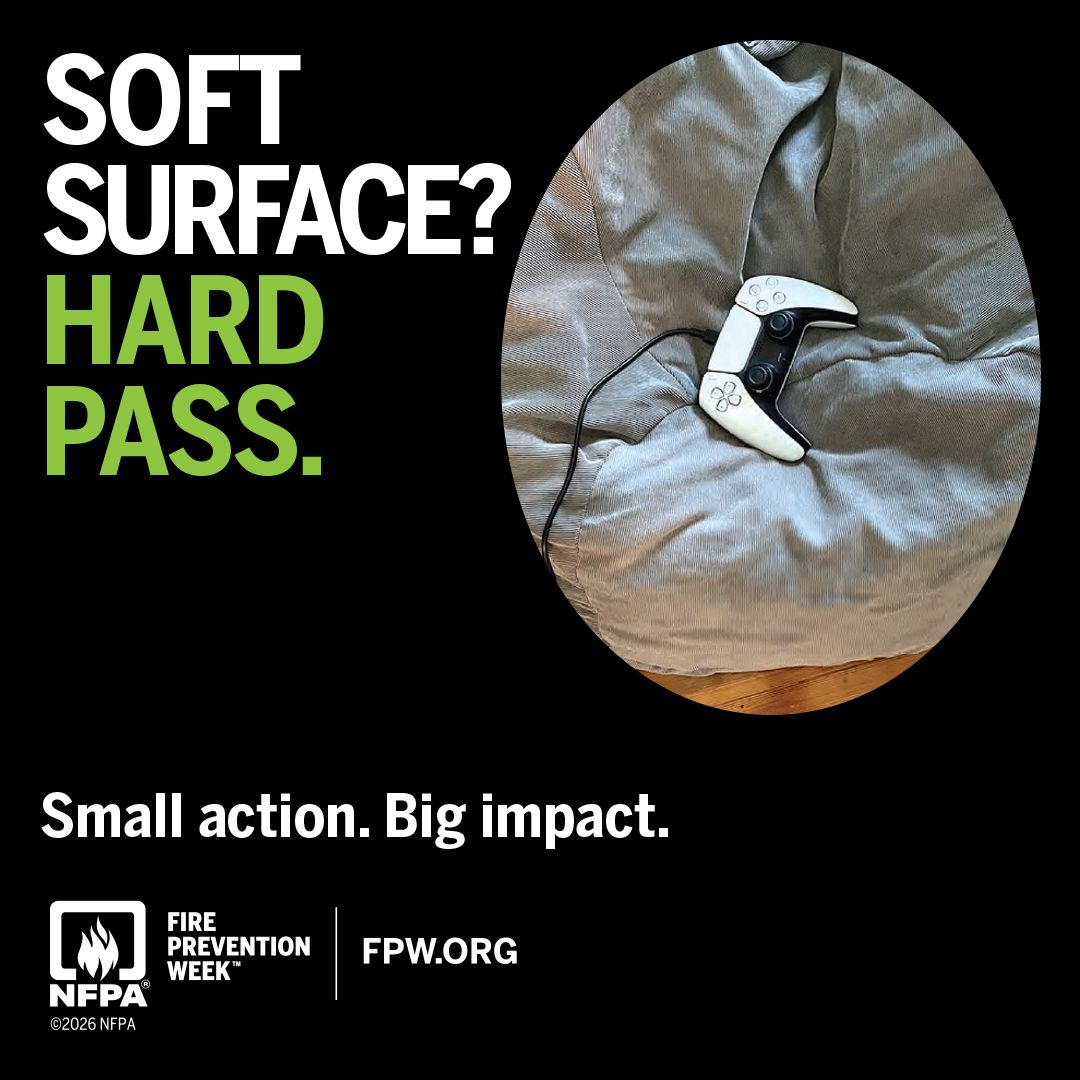
- Charge on a hard, flat surface such as a table, desk, or floor. Beds, couches, and pillows trap heat.
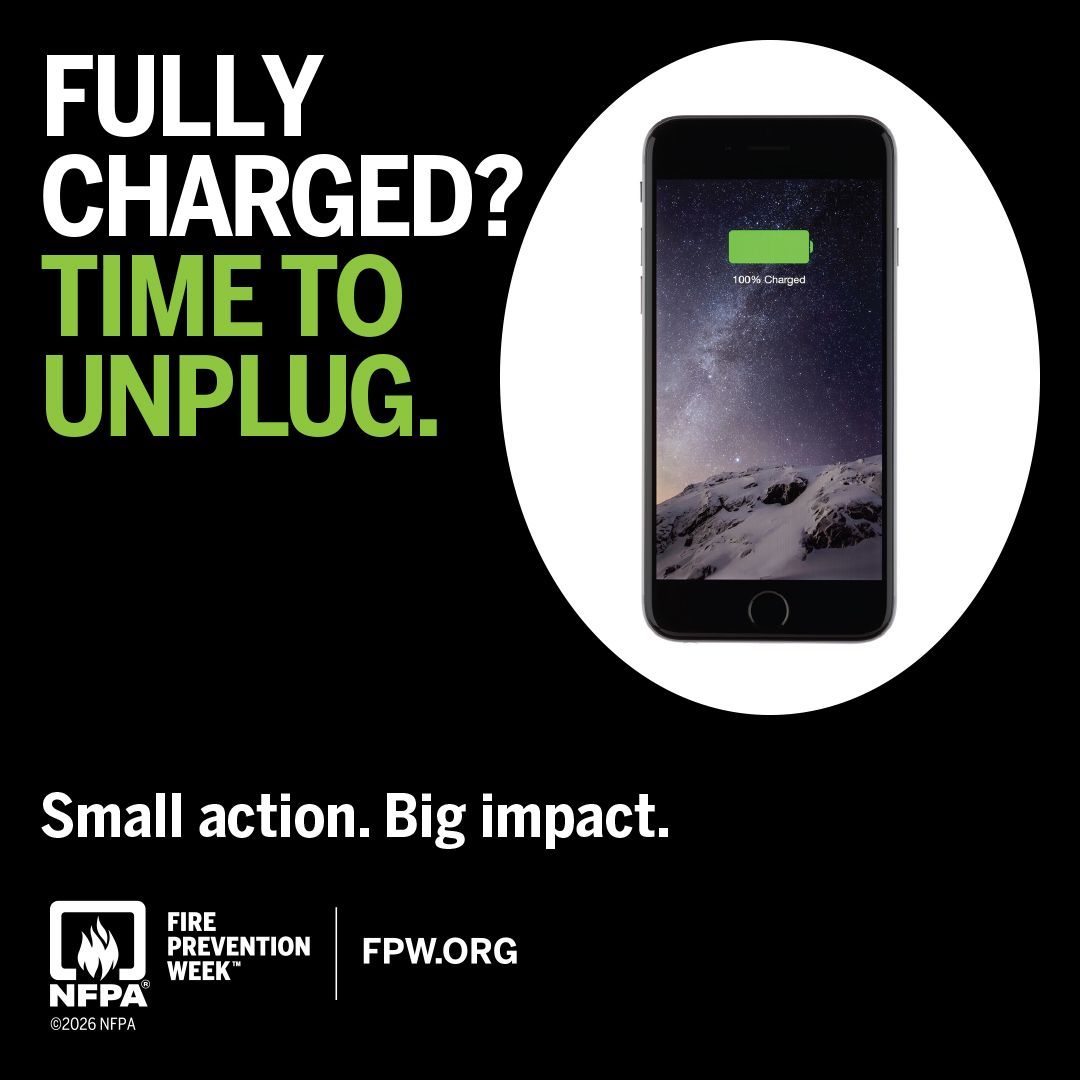
- Unplug the device or remove the battery once it’s fully charged.
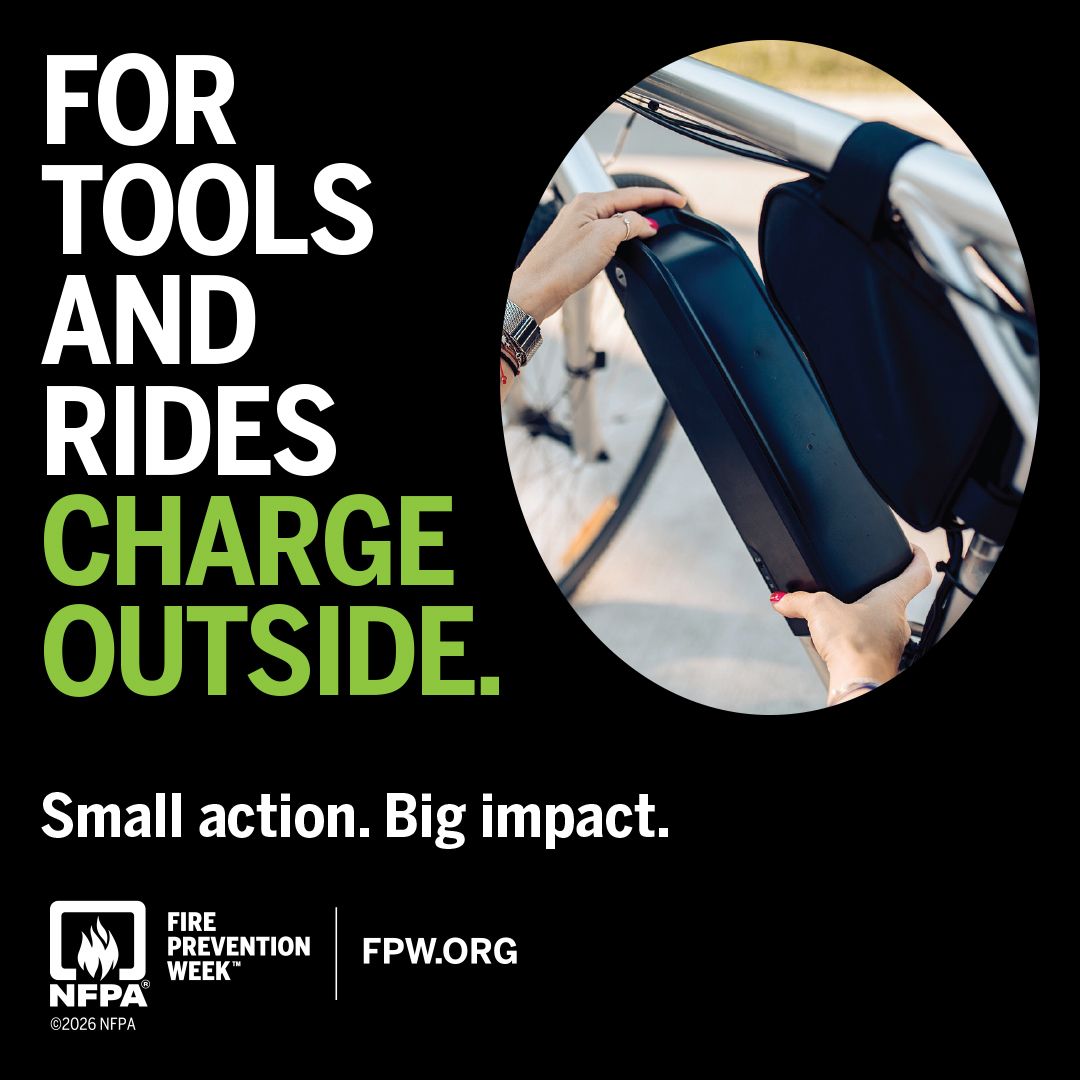
- Charge e-bikes, scooters, and power tools outside when you can. Their large batteries hold more energy, and a fire can grow quickly. Never charge them where they would block a door or stairway.
Stop using it if you notice
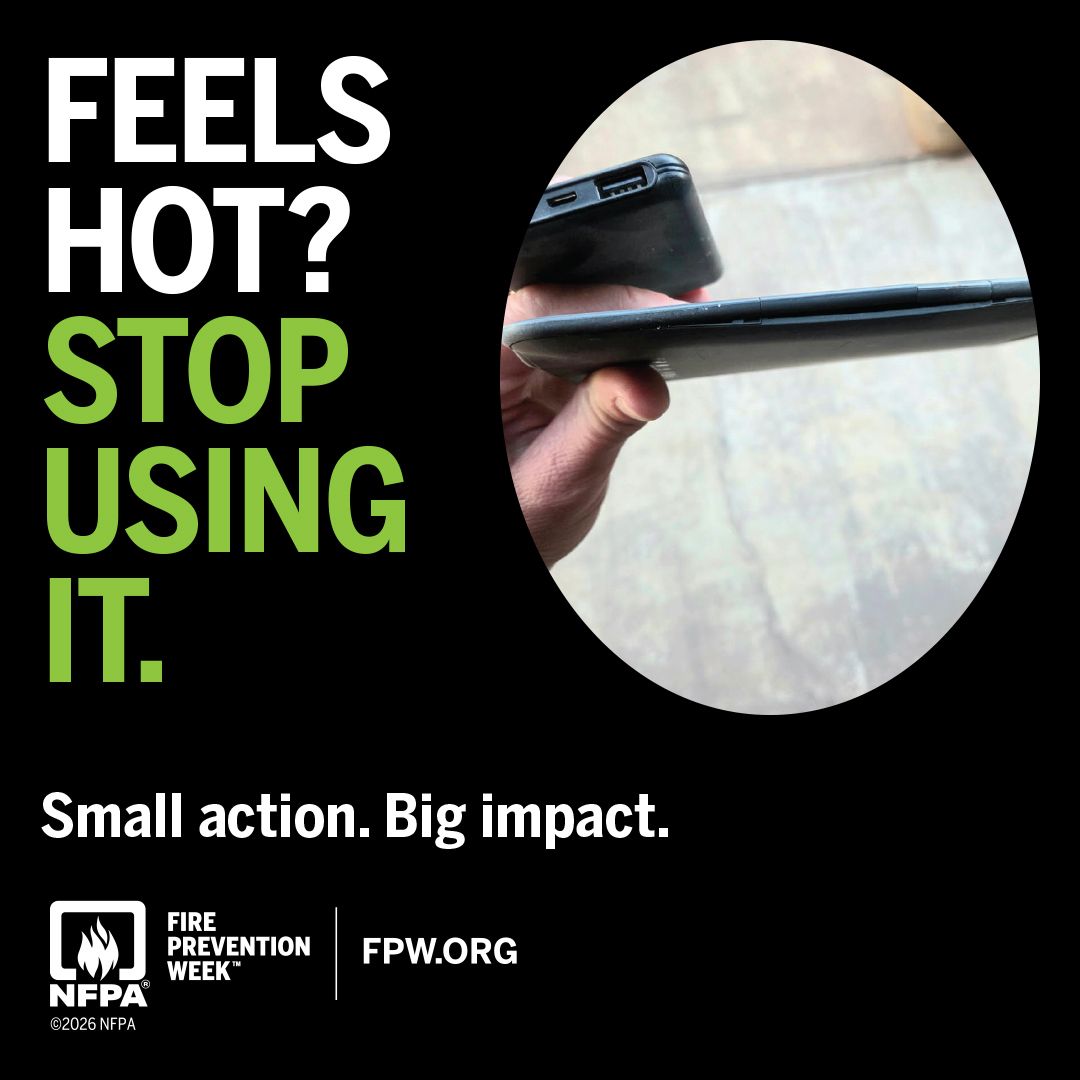
- A strange smell, a battery that feels hot, popping noises, swelling or a change in shape or color, leaking, or smoke.
- If it’s safe to do so, move the device away from anything that can burn and call 9-1-1. If it’s smoking or on fire, get everyone out and call 9-1-1 from outside.
Recycle responsibly
- Never put lithium-ion batteries in the trash or your curbside recycling. They start fires in trucks and recycling facilities.
- Bring them to a Delaware County household hazardous waste collection event. Rechargeable and lithium batteries are accepted there. The next event is Saturday, October 17, at the Emergency Services Training Center in Sharon Hill. Events are by appointment only; register at delcohhw.eventbrite.com. For the full schedule, see delcoswa.org or call 610-892-9620.
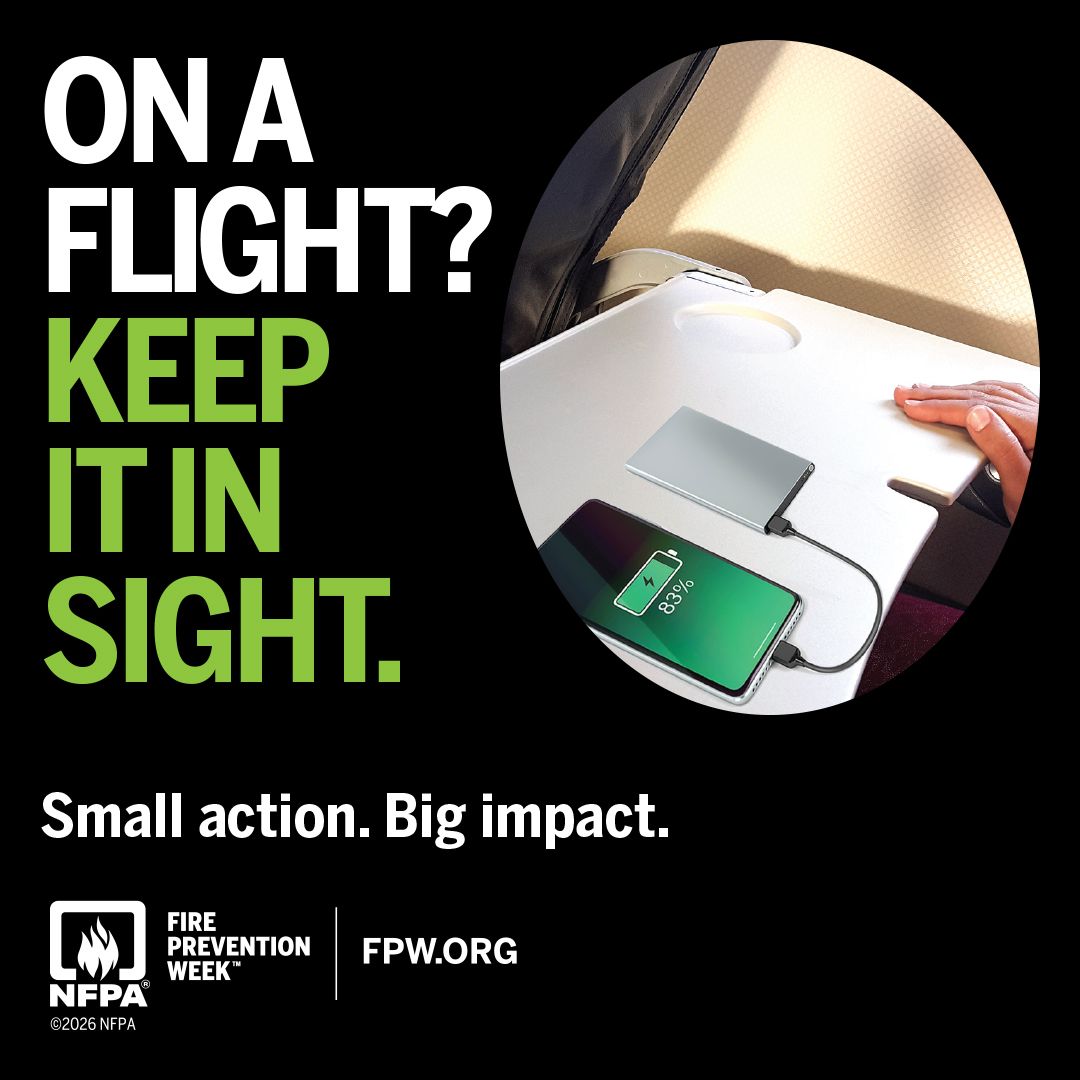
Share these tips: the cards below are from NFPA’s Fire Prevention Week campaign. Learn more at fpw.org.
Smoke Alarms
A working smoke alarm is the single most important thing you can have in your home. It buys you the minutes you need to get out of your home safely.
- Install smoke alarms inside every bedroom, outside each sleeping area, and on every level of your home, including the basement.
- If you can, use interconnected alarms. When one sounds, they all sound.
- Test every alarm once a month with the test button.
- If your alarms use replaceable batteries, change them twice a year. Clocks go back Sunday, November 1, which makes that a good day to do it. Replace a battery right away if the alarm chirps.
- Replace the whole alarm when it’s 10 years old(the date is printed on the back) or if it doesn’t sound when you test it.
- Alarms with strobe lights or bed shakers are available for family members who are deaf or hard of hearing.
- Never take the battery out to stop nuisance alarms from cooking. Open a window or run the exhaust fan instead.
Carbon Monoxide (CO) Alarms
Carbon monoxide is invisible and has no smell. It comes from anything that burns fuel: furnaces, boilers, water heaters, gas stoves, fireplaces, generators, and cars running in an attached garage.
- Install CO alarms outside each sleeping area and on every level of your home, following the manufacturer’s instructions.
- Test them monthly, and replace them by the date the manufacturer recommends.
- If a CO alarm sounds, get everyone outside into fresh air and call 9-1-1. Don’t go back in until firefighters tell you it’s safe.
- Never run a generator, grill, or car inside your home or garage, even with the door open. Keep generators well away from windows and doors.
- If several people in the house have headaches, nausea, or dizziness that get better outside, treat it as possible CO and call 9-1-1.
Your Home Escape Plan
In a fire, you may have only a couple of minutes to get out once the alarm sounds. A plan you’ve practiced makes those minutes count.
- Draw a map of your home and mark two ways out of every room, usually a door and a window.
- Choose an outside meeting place a safe distance from the house, such as a tree, a mailbox, or a neighbor’s front porch.
- Practice twice a year, including once at night. Make sure everyone, especially children, knows the sound of the alarm.
- Sleep with bedroom doors closed. A closed door slows the spread of smoke, heat, and fire.
- If you have to escape through smoke, get low and go under it.
- Get out and stay out. Never go back in for pets or belongings. Tell the firefighters when they arrive, and we’ll go in.
- Make sure your house number is easy to see from the street, day and night, so we can find you quickly.
Cooking Safety
Cooking is the leading cause of home fires and home fire injuries in the U.S.
- Stay in the kitchen when you’re frying, grilling, or broiling. If you have to leave, even briefly, turn off the burner.
- Keep anything that can burn, such as oven mitts, towels, and food packaging, away from the stovetop.
- Keep a “kid-free zone” of at least 3 feet around the stove.
- For a small grease fire, slide a lid over the pan and turn off the heat. Never use water. For an oven fire, turn off the oven and keep the door closed.
- If you have any doubt, get out, close the door behind you, and call 9-1-1.
Heating Safety
Heating is a leading cause of home fires in the winter months. Many Swarthmore homes are older, so schedule your inspections before the first cold snap.
- Keep anything that can burn at least 3 feet away from furnaces, fireplaces, wood stoves, and space heaters.
- Plug space heaters directly into a wall outlet, never into an extension cord or power strip. Turn them off when you leave the room or go to bed.
- Have your furnace or boiler and your chimney inspected and cleaned every year.
- Use a sturdy screen in front of the fireplace. Put cooled ashes in a metal container with a lid and keep it outside, at least 10 feet from the house.
Around the House
- Dryers: clean the lint filter before or after every load, and have the vent cleaned regularly. Don’t run the dryer when you’re away or asleep.
- Electrical: replace cords that are cracked or frayed. Don’t run cords under rugs, and don’t overload outlets. Extension cords are for temporary use only.
- Candles: blow them out when you leave the room, and keep them away from anything that can burn. Flameless candles are a safer choice.
- Smoking: smoke outside, and use a deep, sturdy ashtray.
How We Can Help
- School visits and station tours: teaching kids fire safety is one of our favorite parts of the job.
- Community events: find us at Swarthmore Town Center events and the Farmers Market, and follow us on Instagram at @swarthmore14fire.
To schedule a visit or tour, or if you have a question about smoke or CO alarms, email contact@swarthmorefd.org or call 610-544-2732.
More Resources
- NFPA Fire Prevention Week: fpw.org
- U.S. Fire Administration, home fire safety: usfa.fema.gov
- Pennsylvania Office of State Fire Commissioner: pa.gov/agencies/osfc
- Delaware County Solid Waste Authority, household hazardous waste events: delcoswa.org
